Kuakata
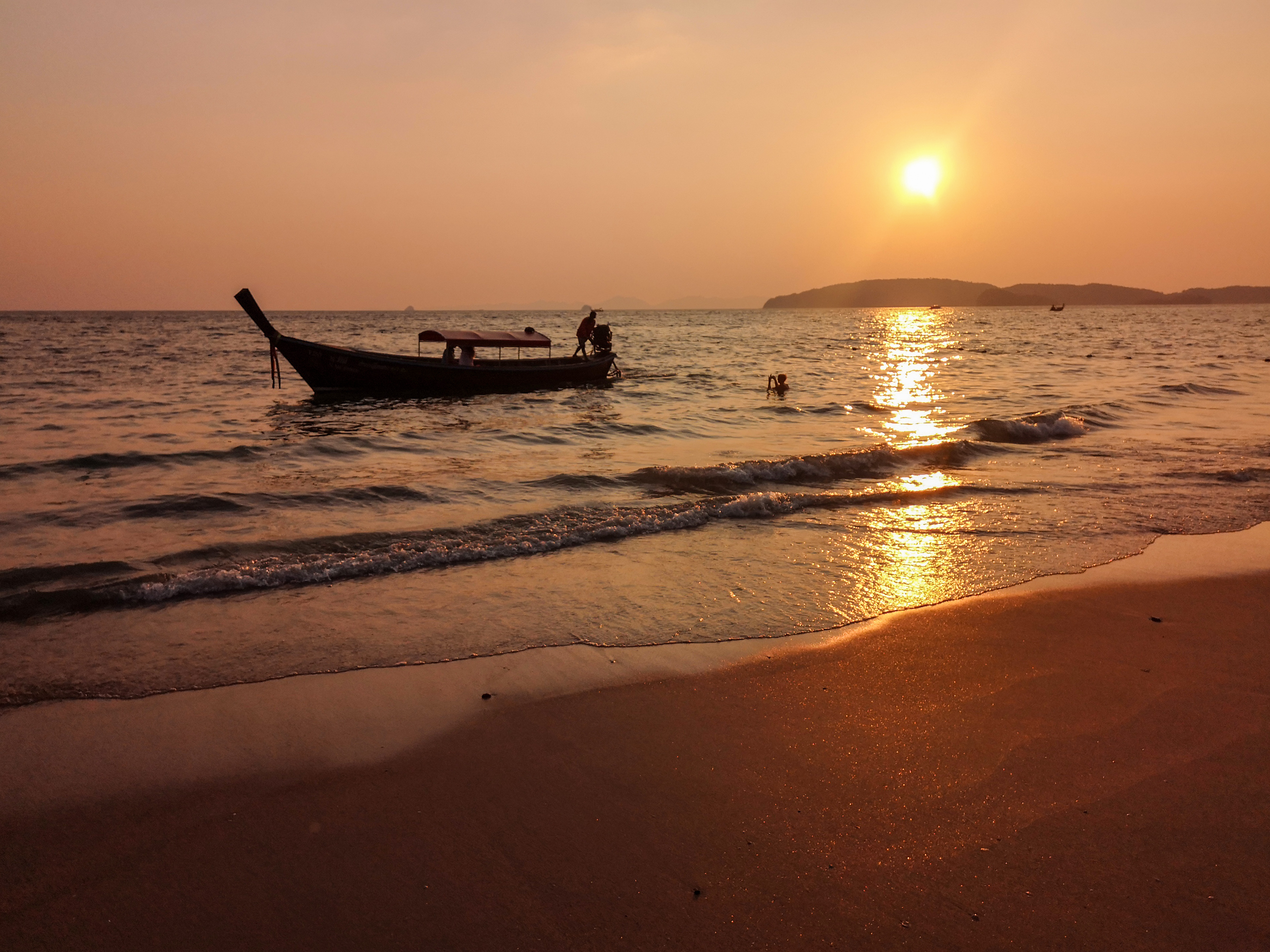
Kuakata, the sea's daughter, the lush green land of unrivaled beauty; Kuakata sea beach is in the Patuakhali district's Latachapali union under the Kalapara police station. The 18-kilometer-long Sea Beach offers views of both sunrise and sunset. Due to its physical location, it is the best place to see the sunrise from the Gangamati Char curve at the eastern end of Kuakata Beach and the estuary of three rivers, with the exception of the lemon forest on Kuakata's west coast. The beach at Kuakata is quite clean. Long rows of coconut palms surround the shore, and several palm trees have been planted on the beach to enhance its beauty. The sight of fishermen's fishing boats and scattered mangrove trees on the shore will amazed you. Fishermen can be seen fishing on Kuakata beach almost all year. You can rent a motorcycle and a horse if you wish to travel to the beach. The cost of renting a car is usually determined by distance and duration. There are speedboats, trawlers, and huge motorboats available for hire. On the left side, near the shore and as you cross the Kuakata Berry Dam, a private enterprise museum has been created. Farms includes a large coconut orchard with fruit and flower gardens just a few yards south. In the garden, there are several picnic locations, and after visiting the picnic spot, there is a large beach. Coconut gardens, and the attractively designed Zhao Gardens are located on the beach's east side (Zhao Bon). The beauty of the beach has been enhanced by the forest department's endeavor of planting various palm tree species. Between the coconut tree and Zhao Bon, there is also a picnic site where tourists form groups and enjoy the indescribable delight of picnics. The Char-Gangamati lake is to the east, and the ashram of Sri Sri Anukul Tagore and the large Buddhist monastery at Misripara are inland.
To observe the sunrise at Kuakata sea beach, it is preferable to travel to Zhao bon. The sunset looks beautiful from there, and there's no doubt that many more people will travel before you to observe how the sun rises across the sea's belly. In the morning, it will take you approximately 20 minutes to walk to Zhao bon. And getting to the van will take ten minutes. Trees will be planted in rows upon rows. The government planted this woodland as part of an afforestation program. The sunset may appear to some to be more lovely than the sunrise. As the sun sets on the sea, the color changes dramatically. Due to the surrounding noise, the roar of the sea is normally not audible throughout the day. At night, the sea takes on a terrible shape. You can absolutely go there if you want to hear the waves scream at night. There is no concern about safety. However, it is preferable to be cautious. This beach features motorbikes and horses for lease for guests and thirsty travelers. Rent is usually calculated based on distance and time.
 Places to Visit in Kuakata:
· Shutki Palli: Jele Palli (Fisherman's Quarters) is located at the western end of Kuakata Beach. From November until March, the dry season lasts. The fish is dried on the beach after being caught in the sea. You can spend some time watching the fishermen's active schedule if you wish. You can also get a variety of dried fish at a modest price.
· Crab Island: Crab Island, also known as Kakra Dip, is a popular destination for those traveling east along Kuakata Beach. The quiet beach is home to thousands of red crabs. Speedboats go from Kuakat Beach to Crab Island during the travel season, which runs from October to March.
· Jungle of Gangamati: Kuakata beach has come to an end on the east bank of the Gangamati canal. And it was from here that the Gangamati forest began. This forest is home to a variety of plant types as well as birds, forest roosters, monkeys, and other animals. This woodland is known as Gojmati forest by many.
· Fatra Forest: The Fatra Forest begins on the west side of the beach, on the other side of the river. This forest possesses nearly all of the characteristics of the Sundarbans. Here you'll find forest roosters, monkeys, wild pigs, and a variety of birds. You must rent an engine boat to travel from Kuakata to the Fatra Forest.
· Kuakata Well (Kua): The well that bears evidence to the history of Kuakata's naming is still there. If you wish to view this well, you must travel to Keranipara, Rakhine's hometown. The historic well is visible as soon as you enter the area. The Rakhine are reported to have sought sanctuary on Rangabali Island, off the coast of the Bay of Bengal, after being banished from their motherland in 1784. Because the sea's saline water was unfit for use, they dug freshwater wells here, and the area became known as Kuakata.
· Seema Buddhist Temple: The Seema Buddhist Temple is just in front of Kuakata's historic well. A few years ago, the wooden temple was demolished. An antique Buddhist statue constructed of octahedron weighing around 36 manas may be found in this temple.
· Keranipara: Keranipara, the Rakhine capital, is at a short distance from Seema Buddhist Temple. Rakhine women are expert weavers, and their winter sheets are particularly lovely.
· Misripara Buddhist Temple: Misripara, another Rakhine village around eight kilometers from Kuakata beach, has a big Buddhist temple. The temple is reputed to have the largest Buddhist statue in the subcontinent.
Activities you can do in Kuakata Travel for your enjoyment:
· If you ride your motorcycle to Gangamati Char early in the morning, you may view the sunrise. Local bikers cum travel guides will safely take you to the location. If it has been agreed upon in advance, the guides will phone the tourists and rouse them up as soon as the Fajr call is made. There's no need to be concerned. Every day, roughly a thousand tourists flock to the site to see the sunrise.
· The same vehicle was used to witness the sunset at the mouth of three rivers near the lemon grove in the afternoon. If you go to the mouth of these three rivers with Andhar Manik Payra and Shiva Baria. you may observe a lot of white oysters, oyster beaches, and Rakhine lemons, which are named after the lemon grove,
· You might not see anything if you don't arrive at least 2/3 hours before sunset. Although the Kuakata lemon forest lacks lemon trees, it does have Kewa and Gewa bushes. Tourists flock to the Tong Hotels in the Lemon Forest to watch the sunset, which is ideal for taking group shots, selfies, and photos of the setting sun. They eat a hot fry of crabs and sea fish there. You'll come to regret it if you don't bargain a little.
· Early in the morning (after 10 a.m.), tourists depart for Kuakata's Zhaubon, Red Crab Island, and quiet beaches. Red crabs came out in flocks in the sun at that time. The sound of motorcycles and the footfall of tourists can make you more excited. Guides know how to show tourists where the red crab can be found. Kaura Char and Gangamati Char will travel around before and after shooting pictures with crab nests, their artwork on the beach, and red crabs.
· There are two Buddhist temples nearby, and Rakhine village is a short distance away. It's also a unique experience to ride a motorcycle in these locations. In Kuakata, there are about 500 plus motorcycle guides and over 200 yellow-clad photographers. A motorcycle can take you to all of Kuakata's attractions, for 500 to 1000 Taka.
· You'll need a motorcycle to get about Kuakata Beach; otherwise, the regions are tough to reach. But their moods are a little different, we'll have to talk to them a little more carefully. Kuakata's markets have almost all of the products encountered by tourists in the Rakhine countryside. Certain Rakhine handwoven items are truly unique.
· In the Rakhine village of Kuakata, you may see Rakhine looms and textiles. The Kuakata well, after which the neighborhood is named, is located in the heart of the city of Kuakata. It's essentially housed within a Buddhist monastery. It would be good to go in exchange for a ticket, take a photo/selfie, and wander around the Buddhist temple on a slightly higher stairwell. Kuakata's well can be found in this Buddhist temple. Apart from the market adjacent to the beach, there are various marketplaces near the Well and Bihar where you may get garments, oyster goods, and pickle businesses.
· Hilsa Park is a restaurant and a mini-museum in Kuakata. The park's animal sculptures, including tiger, lion, deer, crocodile, deer, tortoise, and giraffe, have been replaced. A photo exhibition of many professionals from Kuakata and the diverse life and livelihood of Rakhine is located next to the park's main gate. Throughout the park, there are portraits of several marine fish species. Flowers and fruit trees can be found throughout the area. There are five roundhouses, a lake, a fish museum, a photo gallery, a Sampan Mancha, and a Juice Corner with live animals and animal sculptures. A local journalist's initiative resulted in the creation of a park where you may eat and drink.
· The Tengragiri Reserve Forest, also known as Fatra Forest, is another interesting site near Kuakata beach. The Sundarbans used to include this forest. By visiting this forest, tourists will be able to enjoy the flavor of the Sundarbans' mangrove trees and waterways. You must purchase a ticket and travel to the forest in a small trawler with the assistance of a local tour operator. On a round trip, expect to spend roughly 4-5 hours having fun.
· The real name of the Fatra forest close to Kuakata is Tengragiri, which has a similar appearance to the Sundarbans. Without the assistance of a guide or a boatman, entering the jungle is extremely dangerous. It's pretty uncommon to come across little critters who are afraid of getting lost. Keep in mind that this is not a man-made or public location. You should arrive with all of your preparations in place. Tourists enjoy going through the forest with a guide, crossing the roots of mangrove trees and thornbushes, going to the beach on the forest's edge, taking pictures, and sitting for a while.
· Those traveling from Kuakata, however, should bring some dry food and drink. If you're traveling with a small child, please bring the child’s meals and other accessories. Almost all of the Sundarbans' wildlife, including the Royal Bengal Tiger and Chitra deer, were formerly present, but they are now merely a memory. There are, however, many squirrels, as well as foxes, pigs, and snakes. Tourists are not uncommon to observe them walking. However, these creatures' footprints can be found along the creek's edge or in the lower portion of the woodland.
· The mix of numerous birds and wildflowers may be seen when a trawler enters the canals and creeks in the center of the forest. Returning in broad daylight is recommended by guides and the local forest authority. It is feasible to explore all of Kuakata's sights in half a day if you arrange your route carefully. However, if you take a little time, your level of happiness will skyrocket. The country's tourism authorities have recently focused their efforts on boosting the quality of Kuakata. Many foreign tourists visit Sagarkanya Kuakata to take in the sights.
· Besides, many people rush to enjoy the waves of the sea during the rainy season. As there is no quicksand type like Cox’s Bazar beach, tourists go to the beach at both times of the tide. There is also a difference in the salinity of water, half the time of the year there is salt and half the time there is freshwater in the sea of Kuakata. Tourists will enjoy Kuakata, which is a blend of forest and sea, due to the variances in the sites of each part of the country.
Food Facility:
Hotels in Kuakata prepare their own meals in their own restaurants for their customers. In addition, local eateries offer a wide range of local cuisine. So there's no reason to feel obligated to eat at Kuakata.
Accommodation at Kuakata Sea Beach:
Hotels, food hotels, and points of interest are all located inside a specific area. Many hotels, ranging in price from Tk. 400 to Tk. 10,000 are located adjacent to the Kuakata Sea beach. Almost all of the food hotels are within a two-to-three-minute walk of the beach. Due to the tourist police's intensive security measures, the area's appeal is growing day by day. An embankment separates the city of Kuakata from the seashore. The names and distances of numerous points of interest in Kuakata are listed near the embankment's mouth. Symbols are frequently used to illustrate how to travel to a specific location. A traveler can readily grasp all of Kuakata's sights by looking at that list. The city of Kuakata is separated from the seashore by an embankment. Near the embankment's mouth, the names and distances of various objects of interest in Kuakata are listed. Symbols are widely used to depict how to get from one place to another. Looking at that list, a traveler can quickly grasp all of Kuakata's attractions. Apart from the list, tourists can also visit other interesting locations in Kuakata with the help of local guides and tourism groups along the beach. However, keep Kuakata Beach and the hotel in mind while deciding whether to go out in the morning or afternoon to see the spot on the left or right.
Tourists’ Need to follow some rules to travelling Kuakata:
o To save money, travel as a group.
o Rent a boat and CNG if you want to save money.
o When diving into the ocean at Sea Beach, be cautious because there are waves all around you. Follow the authority's signals, warnings, and signboards.
o Water currents are extremely fast during the monsoon, so be cautious.
o Please do not destroy the coastal regions, the environment, or nature in any way.
o Make eye contact with the locals. They're quite practical and straightforward.
o To protect oneself from the sun, keep hats and sunglasses handy.
Direction to go to the Kuakata:
Kuakata is accessible by bus from all regions of the country, including the capital Dhaka, through the Patuakhali and Barisal highways. The fare is set according to the bus's standard, which varies based on the location. From Gabtali in Dhaka, buses are available. Because one of the country's seaports, Pigeon, is located near Kuakata, the road communication infrastructure has greatly developed. There are three bridges that connect Kuakata to the rest of the island. You can also take a local bus to Kuakata instead of taking a luxury launch to Barisal-Patuakhali. Crossing a couple rivers and launching Kuakata will give your tourist trip a new depth.